In this article
HYROX combines eight one-kilometre runs with eight functional stations. Performance depends as much on pacing and technique as on conditioning. The following sets out the twelve-week structure Housed coaching staff use with members preparing for a first event.
What the event involves
HYROX is a fitness race combining running with functional stations. Every event follows an identical format: eight one-kilometre runs, each followed by a single station. Because the format is standardised across locations, participants can compare results between events and across seasons.
The eight stations
- 011000m SkiErg - upper body and cardiovascular endurance
- 0250m sled push - lower body power and strength
- 0350m sled pull - upper body and core strength
- 0480m burpee broad jumps - explosive power and conditioning
- 051000m rowing - cardiovascular endurance
- 06200m farmers carry - grip strength and core stability
- 07100m sandbag lunges - lower body strength endurance
- 0875 or 100 wall balls - full-body coordination and stamina
A twelve-week training structure
Weeks one to four: foundation
The objective in this phase is an aerobic base and technical competence at each station. Training intensity should remain moderate throughout.
A representative week:
- Monday - long slow distance run, five to eight kilometres at an easy pace
- Tuesday - station technique work, two stations, three rounds each
- Wednesday - tempo run, three to five kilometres at a moderate pace
- Thursday - strength training, compound movements
- Friday - station intervals, all eight stations at light load
- Saturday - active recovery, such as walking, yoga or pilates
- Sunday - rest
Weeks five to eight: intensity
The emphasis shifts to power development and race-pace work, with running and station work increasingly combined within single sessions.
Priorities:
- Increase running volume to twenty to twenty-five kilometres per week
- Rehearse transitions between running and stations
- Increase load on the functional movements progressively
- Introduce event-specific interval training
Weeks nine to twelve: race preparation
The final phase concentrates on race simulation and tapering. Training volume should reduce materially in the closing week.
Key sessions:
- A full event simulation at seventy to eighty per cent effort
- Brick sessions combining run, station and run
- Race-day rehearsal and visualisation
- A structured taper in the final week
Nutrition around training
Two to three hours before training:
- Complex carbohydrates such as oats, sweet potato or quinoa
- Lean protein such as chicken, fish or eggs
- Five hundred to 750ml of water
During training:
- Electrolyte drinks for sessions exceeding sixty minutes
- Energy gels during race-simulation sessions
Within thirty minutes of finishing:
- A protein serving of approximately twenty to thirty grams
- Fast-acting carbohydrates
- Continued fluid intake
Recovery scheduling
Recovery is frequently underestimated by first-time participants. Training volume produces adaptation only where adequate recovery is scheduled alongside it, and recovery is best planned into the week rather than added when time allows.
Daily:
- Seven to nine hours of sleep
- Approximately fifteen minutes of foam rolling
- Approximately ten minutes of mobility work
Weekly:
- At least one complete rest day
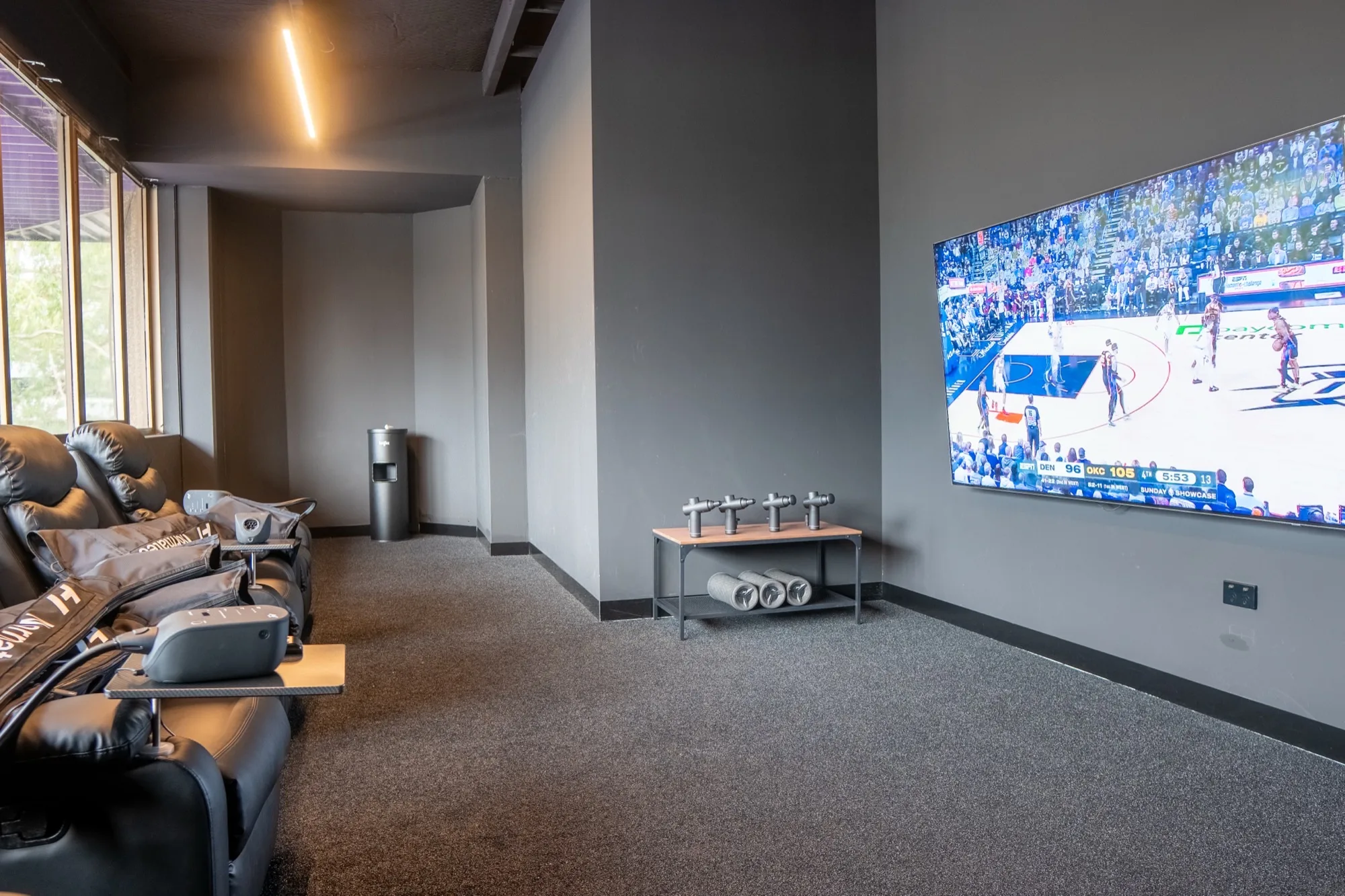
- Sessions in the recovery facilities where available

Common errors
Excessive early intensity
An aerobic base should be established before intensity is introduced. A significant proportion of first-time participants reduce or abandon training during weeks three and four as a consequence of progressing too rapidly.
Insufficient strength training
The functional stations require substantial strength. Deadlifts, squats and overhead pressing should remain in the programme across all twelve weeks.
Inaccurate pacing
The opening kilometre should feel comfortable. Capacity conserved early remains available for the stations and the closing kilometres, where the majority of time is gained or lost.
Neglecting technique
Efficient movement conserves energy across eight stations. Technique on the SkiErg, rower and wall ball should be established before speed is added.
Equipment
Essential:
- Running shoes appropriate to your gait
- Moisture-wicking clothing
- A heart rate monitor
- A foam roller
Useful:
- SkiErg and rowing machine access, available across Housed clubs
- A sled for push and pull practice
- A wall ball and sandbag
Race day
- 01Arrive ninety minutes before your start time to check in and warm up
- 02Complete ten minutes of easy running, dynamic stretching and transition rehearsal
- 03Begin conservatively and aim to negative split each run
- 04Treat transitions as timed components of the event
- 05Divide the event into manageable segments
Beginning a training block
Whether preparing for a first event or improving on a previous result, the sequence is consistent: establish the aerobic base, develop technical competence at each station, then introduce intensity progressively. The programme depends on its order rather than on any individual session within it.