In this article
- How do you choose a personal trainer in Sydney?
- Start with your goals and weekly routine
- Check qualifications, registration and professional boundaries
- Compare the trainer, not just the gym brand
- What should happen during your first consultation?
- Understand the full cost before committing
- How will you know whether the coaching is working?
- Make your shortlist and take the next step
Finding the right personal trainer in Sydney means comparing qualifications, coaching style, location and costs against your goals—not simply choosing the most polished social media profile. This article explains how to shortlist trainers, assess an introductory session and check the practical details before committing. Use it to find support that fits your starting point and your everyday life.
How do you choose a personal trainer in Sydney?
Choose a personal trainer whose qualifications, relevant experience, communication style and availability match your needs. Professional credentials matter, but so does feeling comfortable asking questions and discussing difficulties. Victorian Government guidance recommends checking qualifications and registration while considering personality and communication before entering an agreement. (betterhealth.vic.gov.au)
Start by writing a short training brief. Instead of saying you want to “get fit”, describe what you want to do differently: learn strength-training basics, establish a repeatable routine or prepare for a recreational event. Add your available days, preferred location and realistic spending limit.
Then use those details to compare candidates. Ask each trainer how they would approach your goal and accommodate your constraints. Look for explanations that address your situation rather than a pitch that could apply to anyone.
Start with your goals and weekly routine
Before searching for a personal fitness trainer in Sydney, decide what kind of help you want. Are you seeking hands-on instruction, accountability, a structured program or confidence using gym equipment? Put your priorities in order so you can explain what would make coaching worthwhile.
Consider these examples when preparing your brief:
- 01New to the gym: Ask how the trainer teaches equipment setup, exercise technique and independent workouts.
- 02Returning after a break: Discuss your previous experience, current routine and concerns about restarting.
- 03Working towards an event: Ask about relevant coaching experience and how training would fit around event preparation.
- 04Managing an unpredictable schedule: Request details about rescheduling, remote support and shorter-session options, if available.
Be specific about logistics, too. If you work in the CBD but spend most evenings near Parramatta, compare both locations against the times you could attend. Test the journey at your proposed appointment time, including walking, parking or public transport connections. Treat convenient access as a selection criterion, not an afterthought.
Check qualifications, registration and professional boundaries
Ask prospective trainers to explain their qualifications and show evidence of current first aid and CPR certification. AUSactive’s personal trainer registration requirements recognise relevant qualifications such as a Certificate IV or Diploma in Fitness, or an appropriate Exercise Science or Human Movement degree. These are requirements for AUSactive registration, rather than a reason to assume every advertised trainer holds them. (ausactive.org.au)
You can check a trainer’s registration through AUSactive’s public professional directory. Confirm that the name and registration category match the person and service you are considering. Ask about professional insurance separately rather than assuming that a gym affiliation answers every credential question. (directory.ausactive.org.au)
Relevant experience deserves its own conversation. Ask what experience the trainer has supporting people with similar starting points and how they adapt instruction. You are looking for a clear explanation of their process, not private information about other clients.
Professional boundaries also matter. Compare any specialist claims with the trainer’s documented qualifications and scope of practice. If you need help involving a medical condition, injury or specialised nutrition, ask which appropriately qualified professional should be involved rather than expecting one coach to provide every service. (ausactive.org.au)
Compare the trainer, not just the gym brand
If you already have a membership, begin by asking which trainers work at your club and when they are available. Compare individual coaches against the same brief you would use for an independent personal fitness coach. A familiar gym name should be the start of your research, not the final decision.
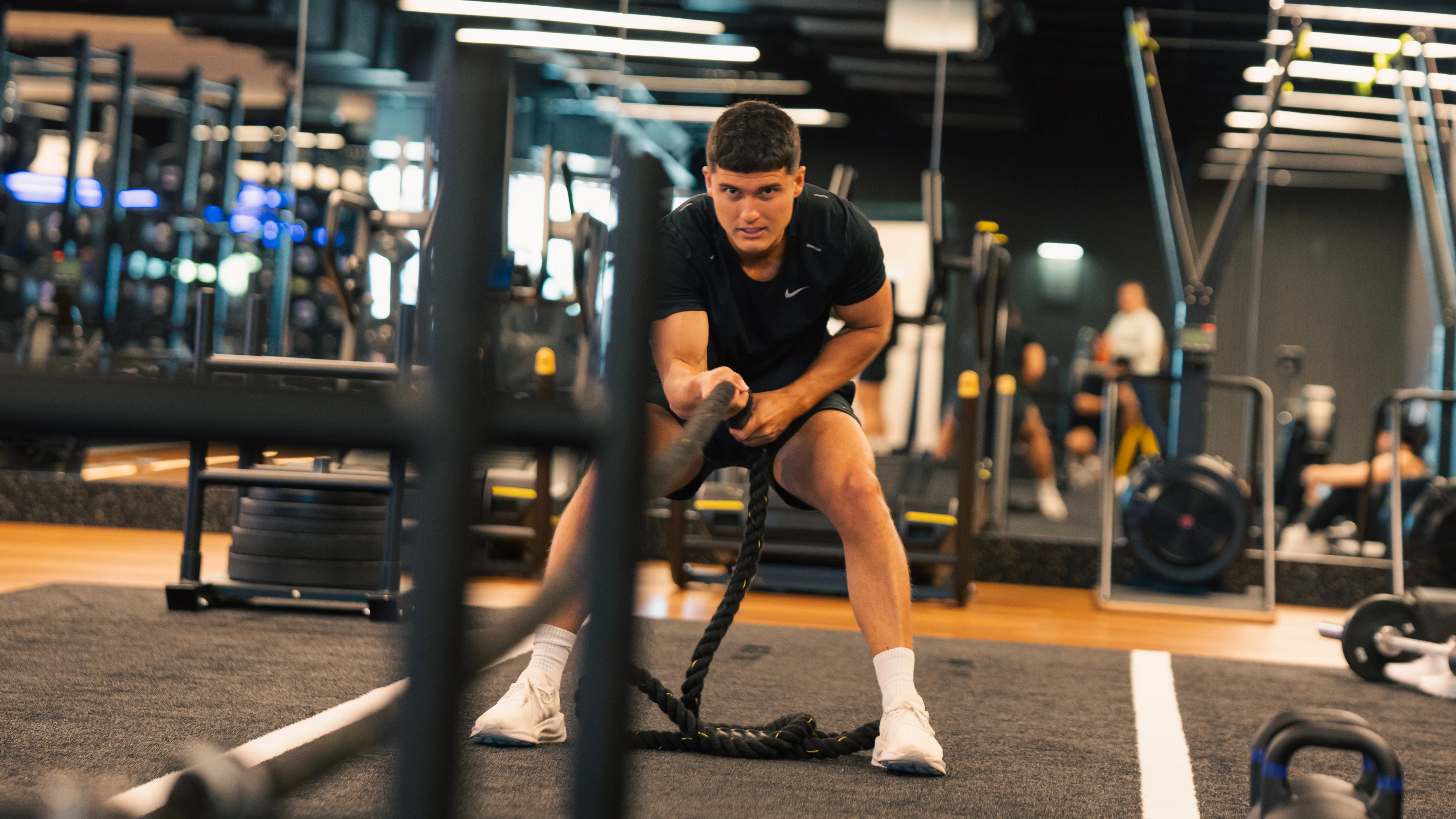
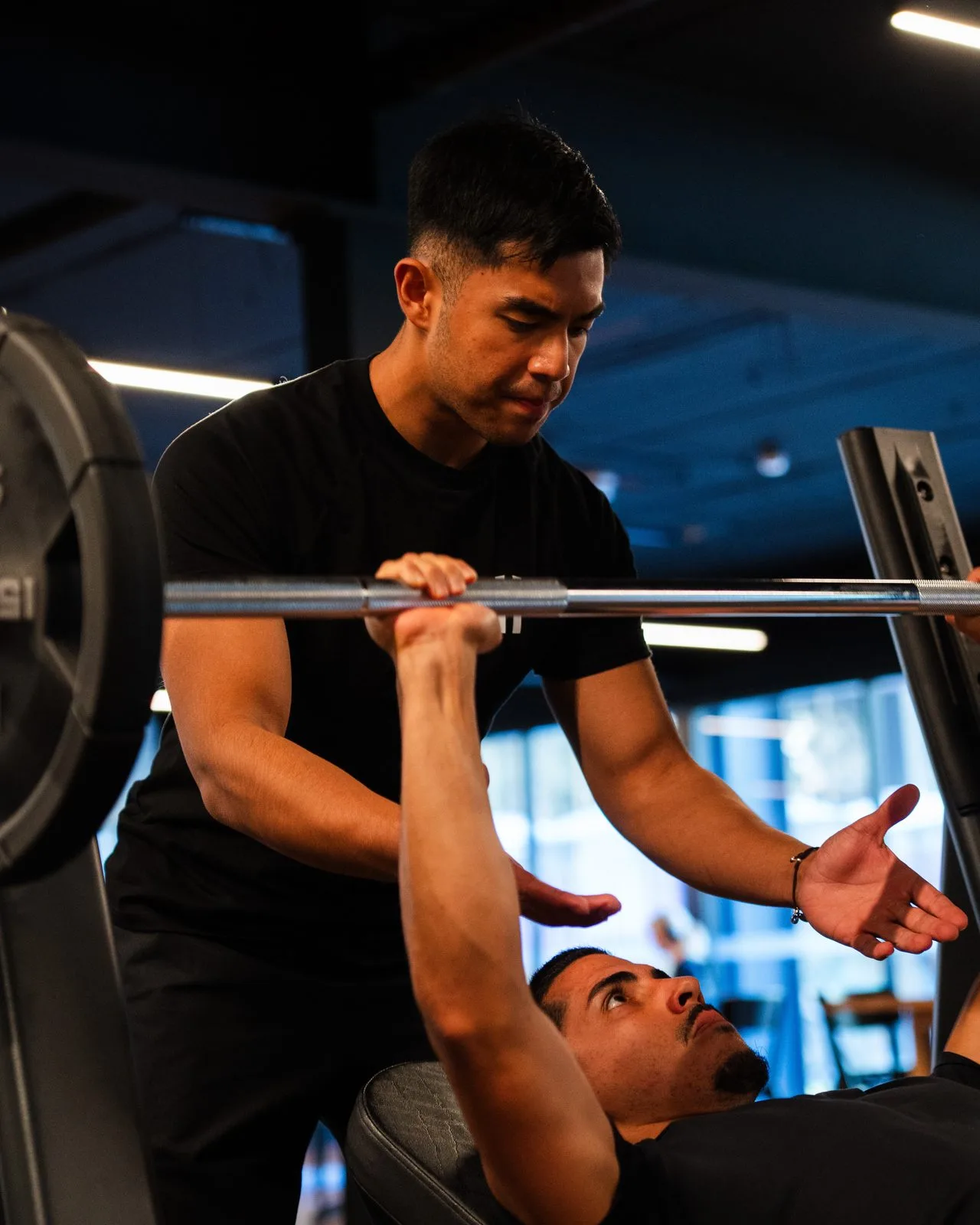
Personal training at Housed
At Housed, personal training starts with a movement and lifestyle assessment and a conversation about your goals. Then you get an introduction to your program. Your coach tracks your strength, consistency and technique, and adjusts the program as you improve.
Personal training runs at Housed Macquarie Park, Penrith, Thornleigh, Sydney CBD, Gosford, Caringbah and Hurstville. Ask the club which coaches train at the times you can attend, and whether you can speak with your coach before you book a package.
What should happen during your first consultation?
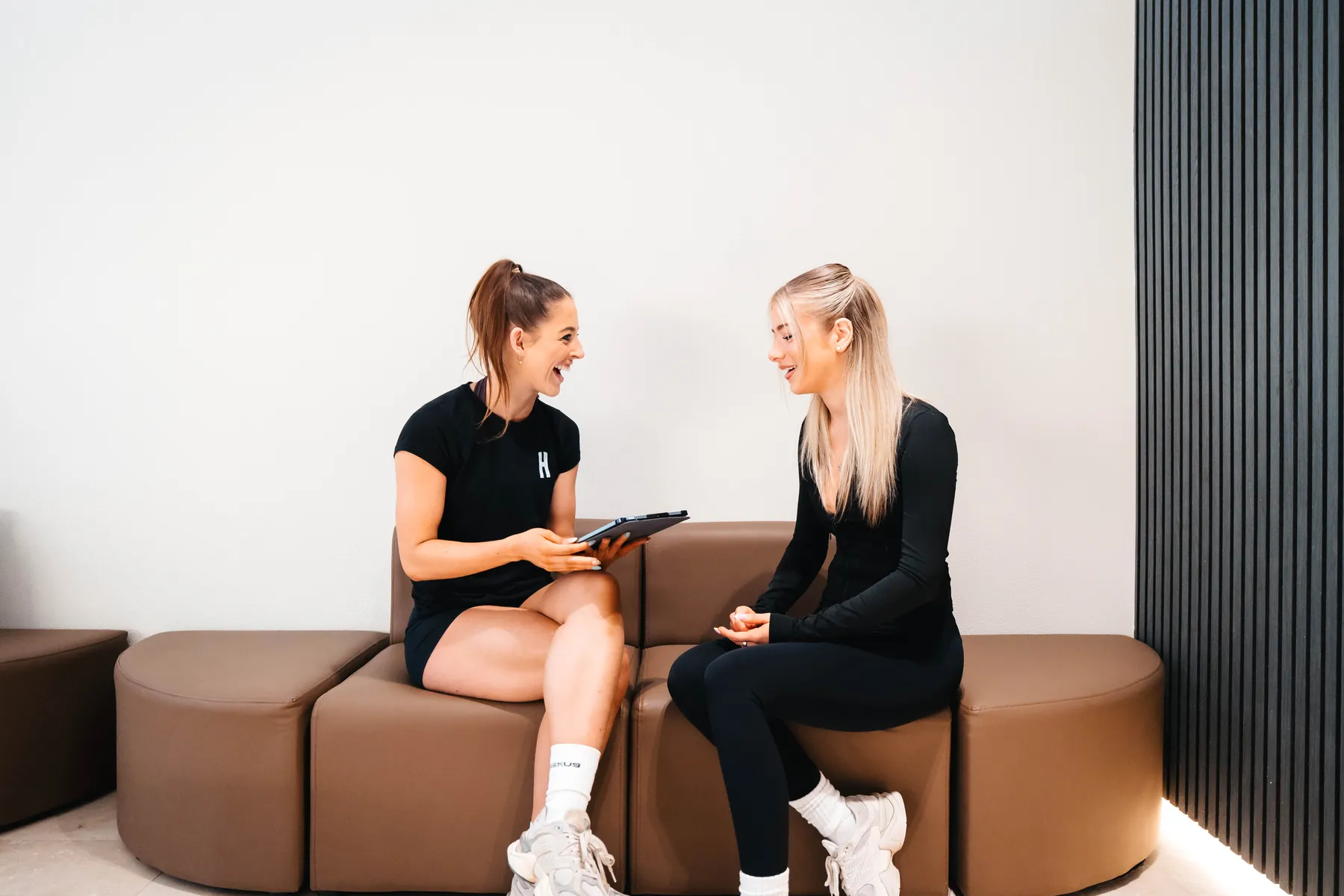
Your first consultation should establish your goals, exercise background, relevant health considerations and expectations before you agree on a training approach. Australian pre-exercise screening resources are designed to identify people who may face increased risk during exercise and guide decisions about appropriate next steps. Ask how the trainer uses screening in their intake process. (ausactive.org.au)
Arrive with your training brief and any questions you have been hesitant to ask. Explain what has made previous routines difficult, whether that was boredom, uncertainty, scheduling or discomfort in the gym. Give the trainer an opportunity to describe how they would respond.
If the consultation includes exercise, use it to assess the coaching rather than trying to prove your fitness. Consider the following checklist:
- 01Clear instruction: Can you understand the explanation, demonstration and feedback?
- 02Attentive coaching: Does the trainer watch your attempts and answer your questions?
- 03Respectful interaction: Are your preferences, concerns and boundaries taken seriously?
- 04Practical planning: Can they explain what happens between appointments?
- 05Transparent next steps: Do you understand the proposed service without feeling pushed to purchase?
Afterwards, write down what felt helpful and what remained unclear. Ask follow-up questions before paying for a longer commitment. An introductory conversation is also your chance to decide whether the working relationship suits you.
Understand the full cost before committing
Compare the complete arrangement, not only the advertised session price. NSW Government consumer guidance recommends checking gym fees, promotional conditions, direct debits and cancellation terms before signing. It also advises against making a pressured, on-the-spot decision. (nsw.gov.au)
Request a written breakdown covering:
- 01Session details: Appointment length, frequency and whether coaching is individual or shared.
- 02Additional costs: Membership, facility access, joining charges or other applicable fees.
- 03Included support: Programming, check-ins, progress reviews and any app access.
- 04Booking conditions: Rescheduling deadlines, missed-session charges and trainer absences.
- 05Commitment terms: Minimum purchase, package expiry, pauses, refunds and cancellation procedures.
A gym personal trainer’s quote is easier to assess when every inclusion is explicit. For example, ask whether “programming included” means a written plan you can follow independently or exercises provided only during appointments. Do not assume that messaging access includes unlimited responses or immediate replies.
If gym membership and coaching involve separate agreements, ask how each can be ended. Keep copies of the documents and written answers. NSW guidance recommends checking cancellation requirements and providing written cancellation so you can establish when you requested it. (nsw.gov.au)
How will you know whether the coaching is working?
Assess coaching against the goals and review process agreed at the beginning, rather than judging it only by how demanding sessions feel. Personal trainers can monitor progress, adjust programs and help clients develop the ability to exercise independently. Ask your prospective coach how those responsibilities would appear in your plan. (betterhealth.vic.gov.au)
Choose relevant measures together. You might track attendance, confidence setting up equipment, exercise technique or progress towards a specific performance task. Agree when to review them and what would prompt changes. If your circumstances shift, explain what is no longer workable and ask for an updated approach.
Make your shortlist and take the next step
When comparing fitness trainers in Sydney, shortlist a few whose credentials, location and availability meet your brief. Speak with them, request written terms and arrange an introductory session where available. Choose the coach who explains their approach clearly, respects your priorities and offers a commitment you understand—not the one making the biggest promise.