In this article
A good gym workout plan for weight loss combines regular strength training, some cardio and plenty of everyday movement, and keeps it going for months. The plan below is a sensible starting point: three full-body weight training sessions, two cardio sessions and daily walking, with simple rules for progressing each week.
Why strength training comes first
When you lose weight, some of what you lose can be muscle. Lifting weights gives your body a reason to keep it, which helps you stay strong and makes everyday movement easier. Fat loss is the goal, and holding on to muscle, or building muscle if you are new to lifting, is what strength training adds. Cardio adds to the energy you use across the week and builds your fitness. Walking and other everyday movement add up too. A plan that includes all three is easier to stick with than one that relies on hard cardio alone.
Your weekly gym regimen for weight loss
- Monday: strength workout A
- Tuesday: cardio, 30 to 40 minutes at a steady, comfortable effort
- Wednesday: strength workout B
- Thursday: rest or a long walk
- Friday: strength workout A
- Saturday: cardio, an interval session or a group class
- Sunday: rest or a long walk
Swap days to fit your week. Alternate workout A and B, so the next week starts with B. Aim for a walk on most days as well.
The weight training program
Do 2 to 3 sets of each exercise. Choose a weight you can lift for the rep range with one or two reps left in reserve. Rest 60 to 90 seconds between sets.
Workout A
- 01Goblet squat - 8 to 12 reps
- 02Dumbbell bench press - 8 to 12 reps
- 03Seated cable row - 10 to 12 reps
- 04Romanian deadlift with dumbbells - 8 to 12 reps
- 05Plank - 20 to 40 seconds
Workout B
- 01Leg press or reverse lunge - 8 to 12 reps (each leg for lunges)
- 02Lat pulldown - 10 to 12 reps
- 03Dumbbell shoulder press - 8 to 12 reps
- 04Hip thrust or glute bridge - 10 to 12 reps
- 05Dead bug - 8 each side
Start each session with 5 to 10 minutes of easy cardio and a lighter warm-up set of the first exercise.
Cardio that fits the plan
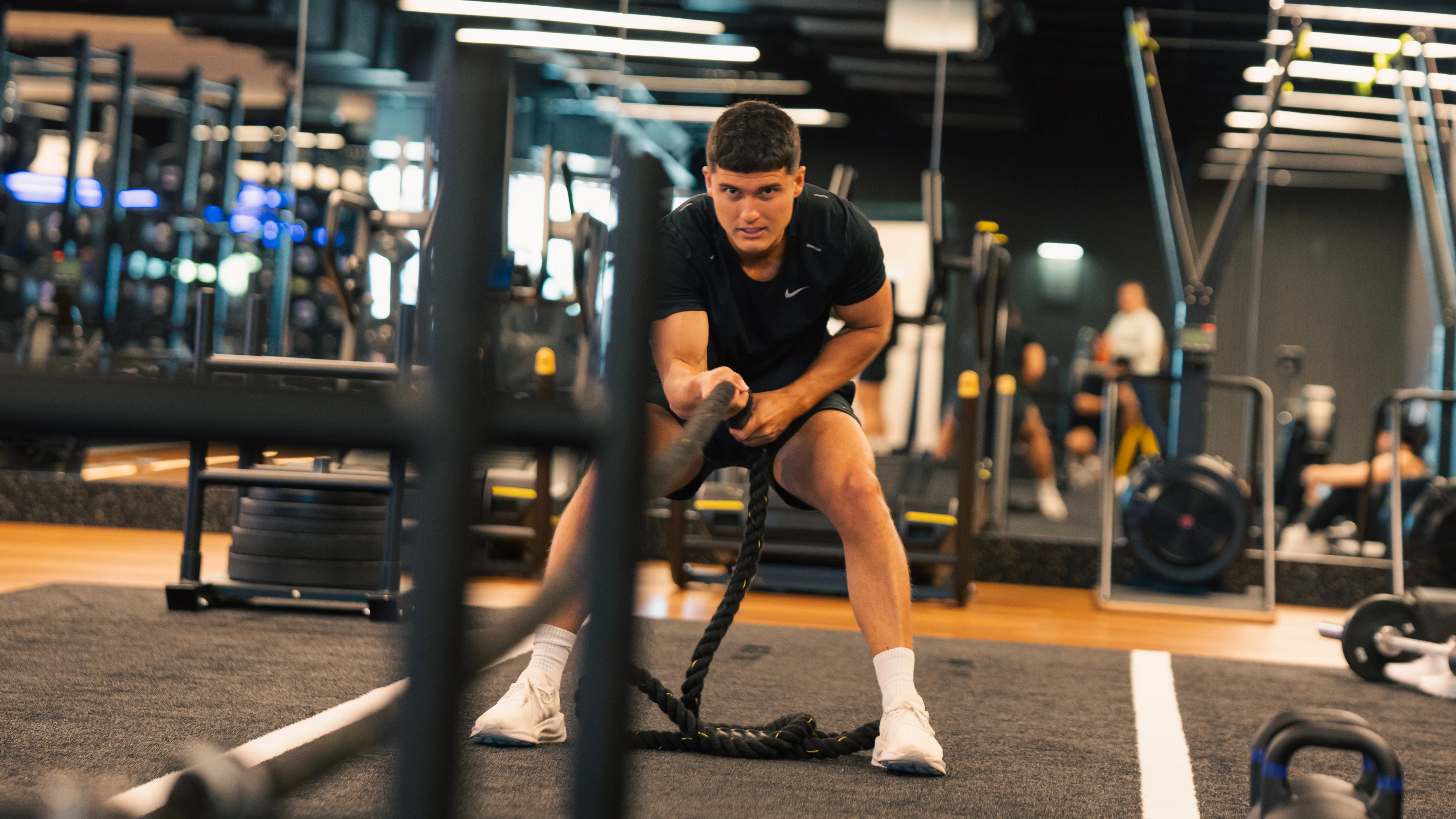
The steady session should leave you able to talk in short sentences: a brisk incline walk, the bike, the rower or the cross-trainer all work. The second session can be intervals, such as 30 seconds hard and 60 seconds easy for 8 to 10 rounds. If intervals are new to you, read the HIIT training guide first. Keep cardio from leaving you too tired to lift well on strength days. If you use a watch or a heart rate monitor, it can help you keep the steady session steady, but the talk test works just as well.
Short on time? A two-day version
If three strength sessions will not fit your week, a two-day gym workout for weight loss still works:
- Day 1: workout A, then 10 to 15 minutes of steady cardio
- Day 2: workout B, then 10 to 15 minutes of intervals
- Every other day: a 20 to 30 minute walk
Keep the same rules for progressing. When your week opens up, add the third strength session back in. A shorter plan you follow every week will do more for fat loss than a longer one you skip.
How to progress
Use a simple method called double progression. When you can do the top of the rep range for every set with good form, add a small amount of weight next time and work back up from the bottom of the range. Write down your weights and reps so you know what to aim for.
A sensible ramp for the first month:
- Weeks 1 and 2: 2 sets of each exercise, focusing on technique.
- Weeks 3 and 4: 3 sets of each exercise, and start adding weight where it feels right.
- After that: keep progressing, and every six to eight weeks take an easier week with fewer sets.
Nutrition basics
Training supports weight loss, but what you eat has a large effect. Keep it simple:
- Build meals around vegetables, fruit, wholegrains and a source of protein.
- Include protein at each meal to help with fullness and muscle recovery.
- Drink mostly water, and keep sugary drinks and alcohol occasional.
- Avoid crash diets. A pattern you can keep for months matters more than a fast start.
The Australian Dietary Guidelines are a reliable place to start. For more, read the nutrition guide for fitness goals.
Sleep and recovery
Short or poor sleep can make training feel harder and make it harder to manage your appetite. Aim for a regular bedtime and wake time. Rest days are part of the plan: your body adapts to training while you recover.
Track more than the scale
Body weight goes up and down from day to day. Also track how your clothes fit, the weights you lift, how your energy feels and how many sessions you completed. If the scale has not moved for several weeks, look first at consistency, sleep and eating before adding more training.
When to see a GP or dietitian
Check with your GP before you start if you have a medical condition, take regular medication, are pregnant or postpartum, or have not exercised for a long time. An Accredited Practising Dietitian can give you eating advice that fits your health and goals. If you have a history of disordered eating, speak to your GP before starting any weight loss plan.
Getting help at Housed
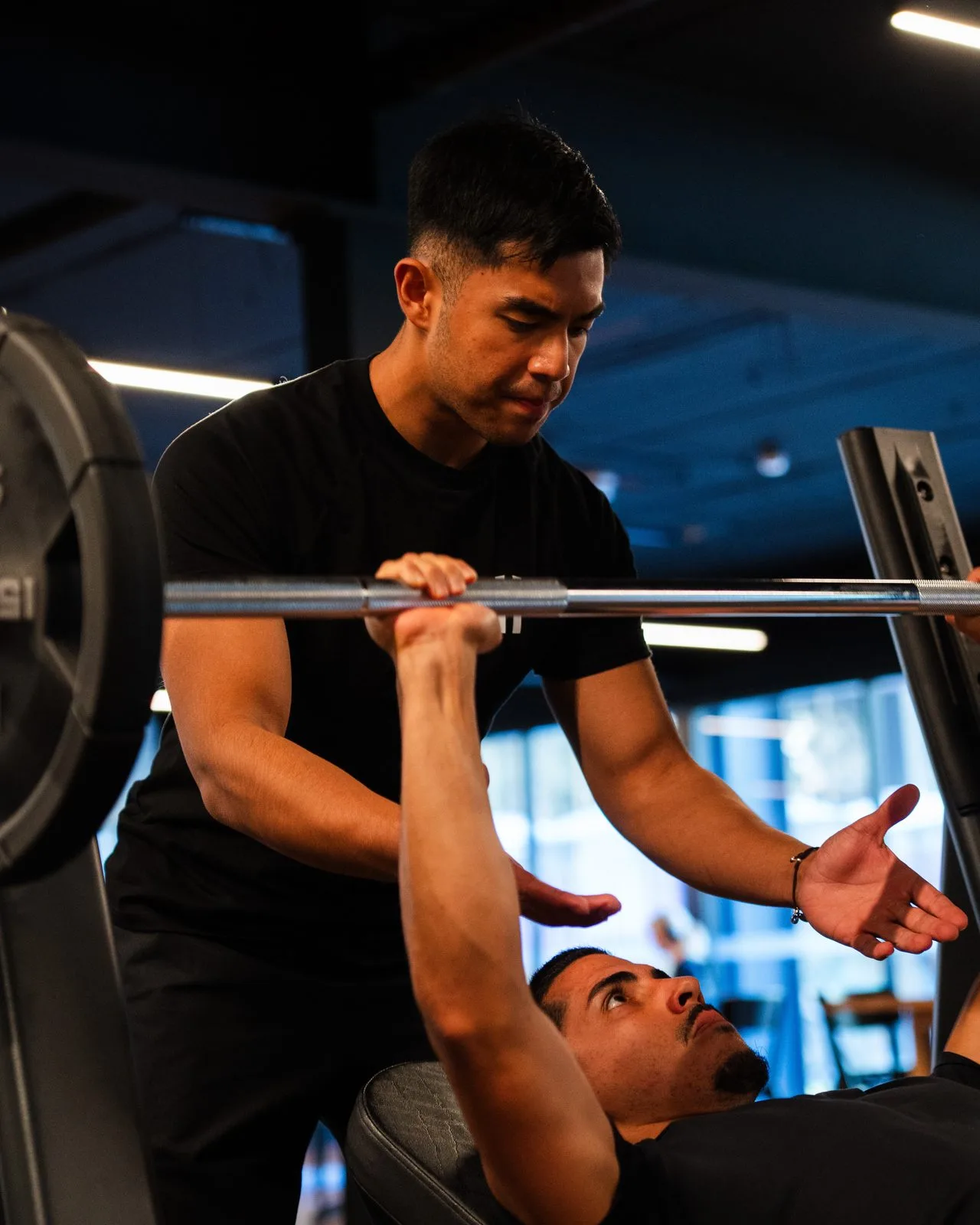
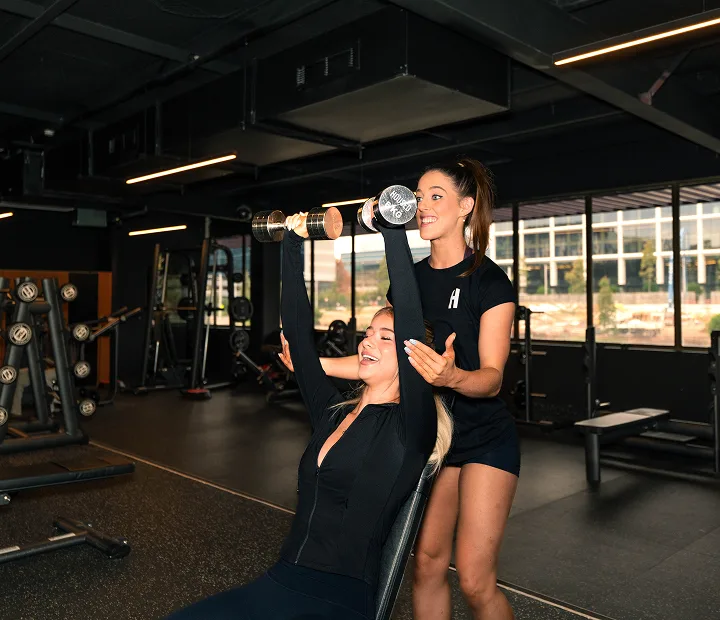
A Housed personal trainer can tailor this plan to your body, schedule and experience, and coach your technique on each lift. If you prefer to train with others, group training has two good fits: Foundations coaches the squat, hinge, push and pull patterns, and House of Strength builds barbell strength from week to week. Find a club and compare memberships on the pricing page, or visit first with a Housed free pass if you are an eligible first-time visitor.
Common questions
Is weight training or cardio better for weight loss?
You do not need to choose. Weight training helps you keep muscle, and cardio adds to your fitness and the energy you use. The plan above uses both.
How many days a week should I go to the gym to lose weight?
Three to five days suits most people. Three strength sessions and one or two cardio sessions, plus daily walking, is enough to make steady progress.
How long until I see results?
It varies from person to person. Many people notice they feel fitter and stronger within a few weeks, while changes in body shape take longer. Give a plan at least two to three months before judging it.
Should I do the same workout every time?
Repeating the same main exercises for several weeks is what lets you progress them. Change exercises when progress stalls or every couple of months, not every session.