In this article
- What are the benefits of a Pilates membership?
- A regular routine with fewer decisions
- Instructor guidance that supports your learning
- Access to reformer equipment and different class formats
- A Pilates community that feels welcoming
- Is a Pilates membership worth the cost?
- Choose a studio around your everyday life
- Pilates at Housed
- Make the membership work for you
A Pilates membership gives you recurring access to Pilates classes, creating a framework for regular practice rather than occasional workouts. Depending on the plan, it may include mat sessions, reformer classes, or a mix of formats. Its real value comes from choosing instruction, scheduling, and membership terms that help you keep showing up—not simply buying the largest package.
What are the benefits of a Pilates membership?
The main membership benefits are a planned routine, opportunities for instructor feedback, and access to the classes included in your plan. A membership may also offer better value than individual bookings, but only when you attend enough sessions to justify the cost. Think of it as support for your practice, not a shortcut to results.
Pilates itself focuses on balance, posture, strength, and flexibility. Those are benefits of the exercise rather than exclusive advantages of membership; the membership provides a structure for practicing it regularly. That distinction matters when comparing an ongoing commitment with drop-in classes or home workouts. (nhs.uk)
Before joining, identify what you want help with. Perhaps you need a scheduled appointment, access to equipment, or a setting where you can ask questions. A useful plan should address those needs without requiring more time or money than you can comfortably commit.
A regular routine with fewer decisions
Choosing when to exercise can become another task on an already crowded calendar. With recurring Pilates classes, you can reserve a place for movement instead of rebuilding your schedule every week. Treat those bookings like appointments, while leaving enough flexibility for work, travel, and family responsibilities.
Start with the week you actually have, not the ideal week you hope to create. If only one evening and one weekend slot are dependable, check those specific classes before buying a plan. A broad timetable is less useful when the sessions you need are unavailable or unsuitable for your experience.
To make the commitment practical:
- 01Choose a realistic attendance target. Base it on your current schedule, including travel time and other exercise.
- 02Identify a backup class. Look for another suitable session if your usual booking falls through.
- 03Check booking rules. Understand reservation windows, waitlists, cancellation deadlines, and missed-class charges.
- 04Review actual attendance. After the first billing period, compare the sessions you used with the allowance you purchased.
The goal is a routine you can maintain without constantly negotiating with yourself. An ambitious plan is not automatically a better one.
Instructor guidance that supports your learning
Pilates training involves controlled movement and coordinated breathing, not just completing repetitions. Beginners can benefit from qualified instruction, and exercises can be adjusted for different experience levels. Look for teaching that makes those adjustments understandable rather than leaving you to copy the person beside you. (healthdirect.gov.au)
During your first class, notice whether the instructor explains the setup, checks understanding, and offers alternatives. Can you ask a question without feeling rushed? Do you understand what to focus on, even when an exercise is unfamiliar?
If you return to the same instructor, ask how they approach progression. You might discuss a movement you find confusing or request feedback on a recurring setup. Do not assume that membership includes individual assessments or personalised programming; confirm whether those services require separate bookings.
If you have an injury, health condition, are pregnant, or recently gave birth, seek appropriate healthcare advice before starting. Tell the instructor about relevant limitations, and stop if exercise causes pain or makes you feel unwell. A general class should not be treated as a substitute for individualised medical care. (nhs.uk)
Access to reformer equipment and different class formats
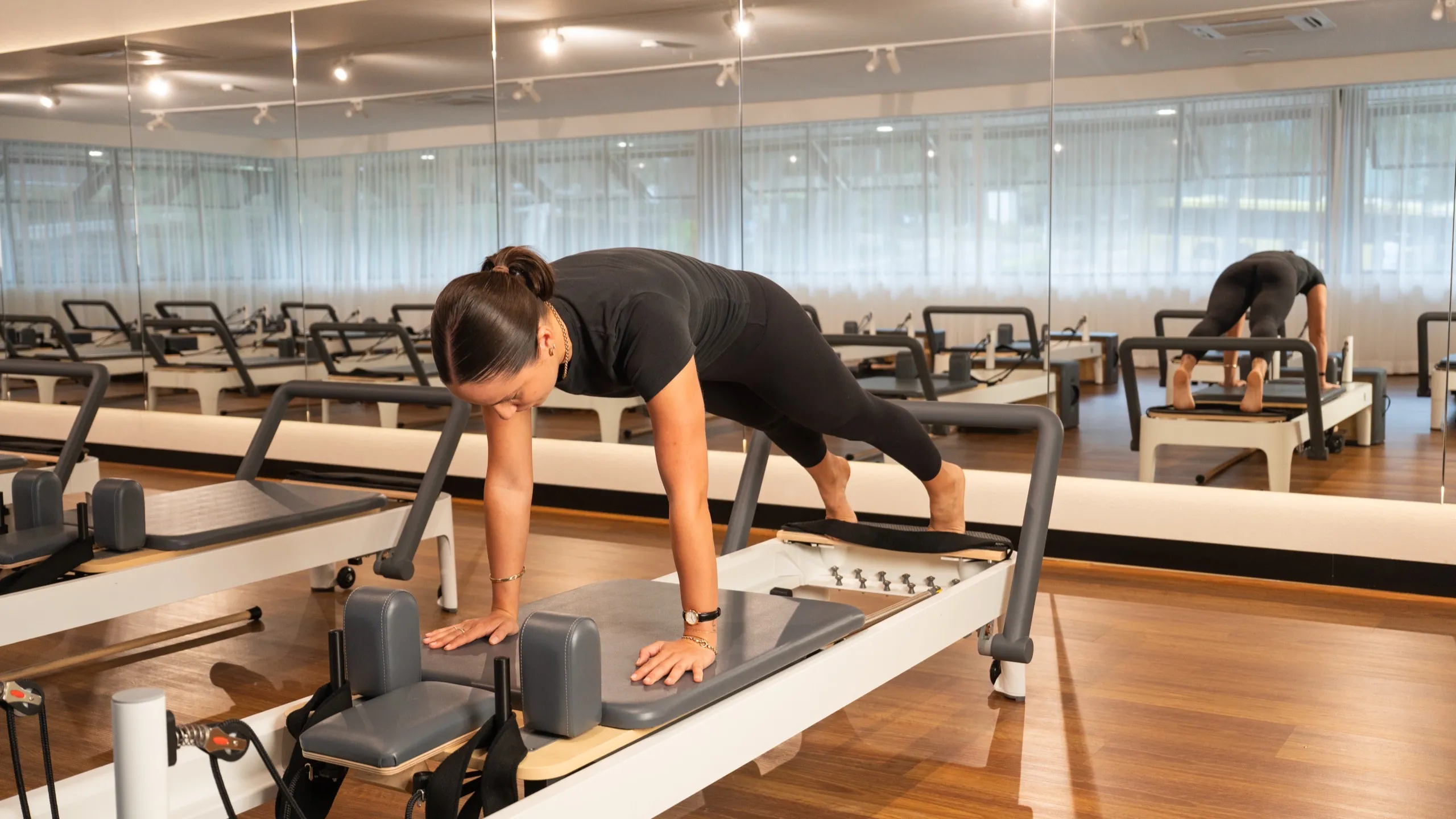
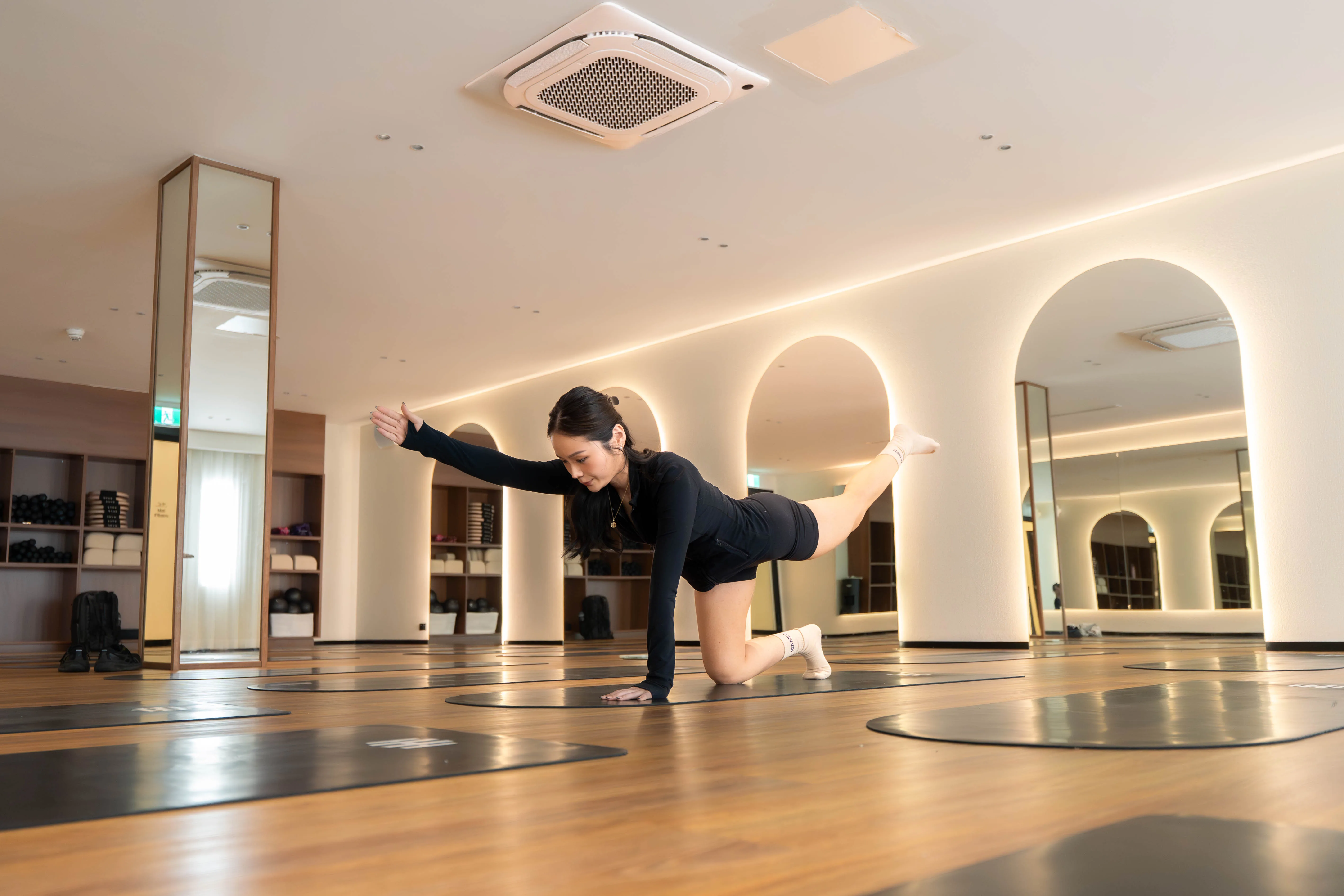
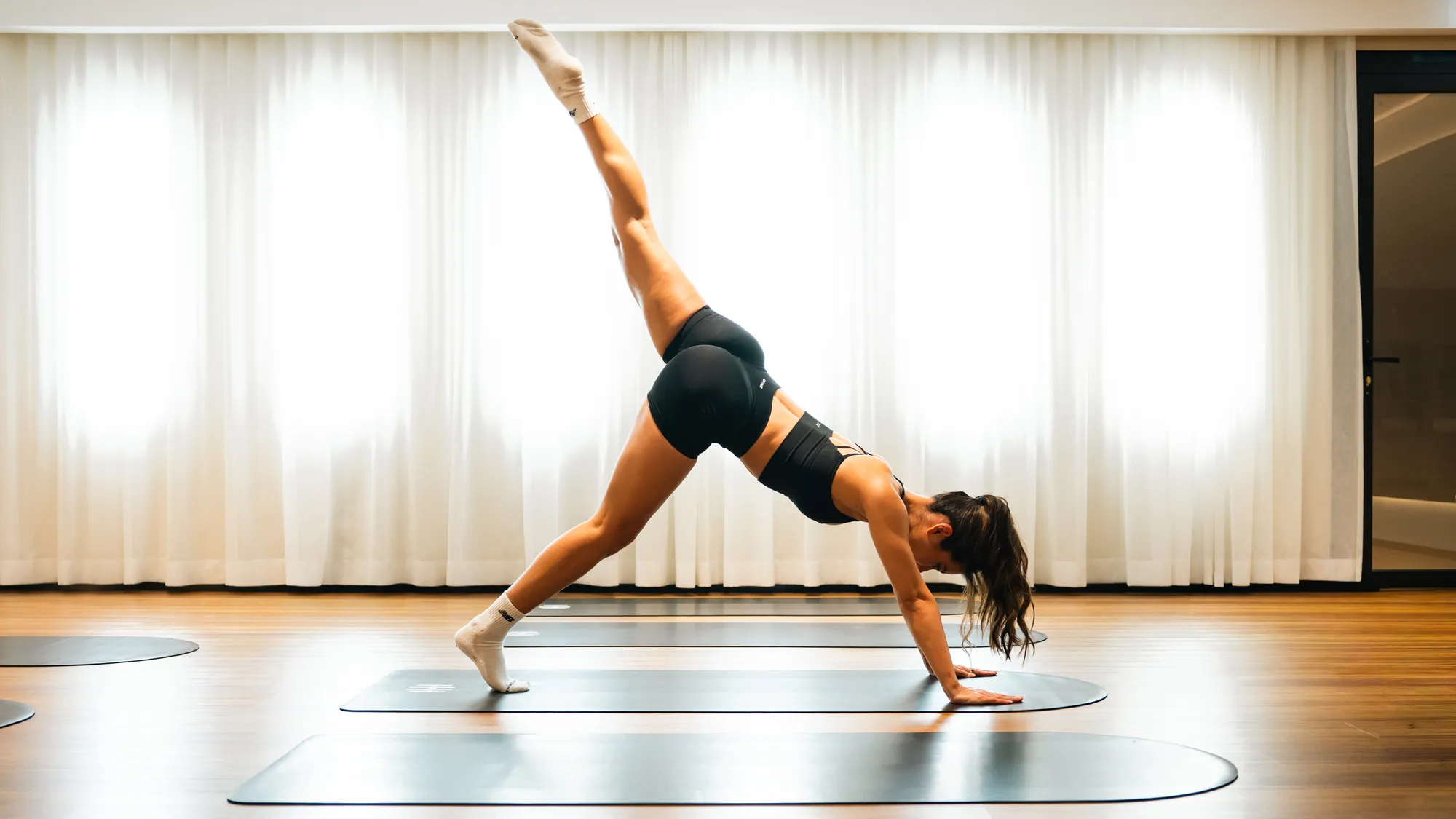
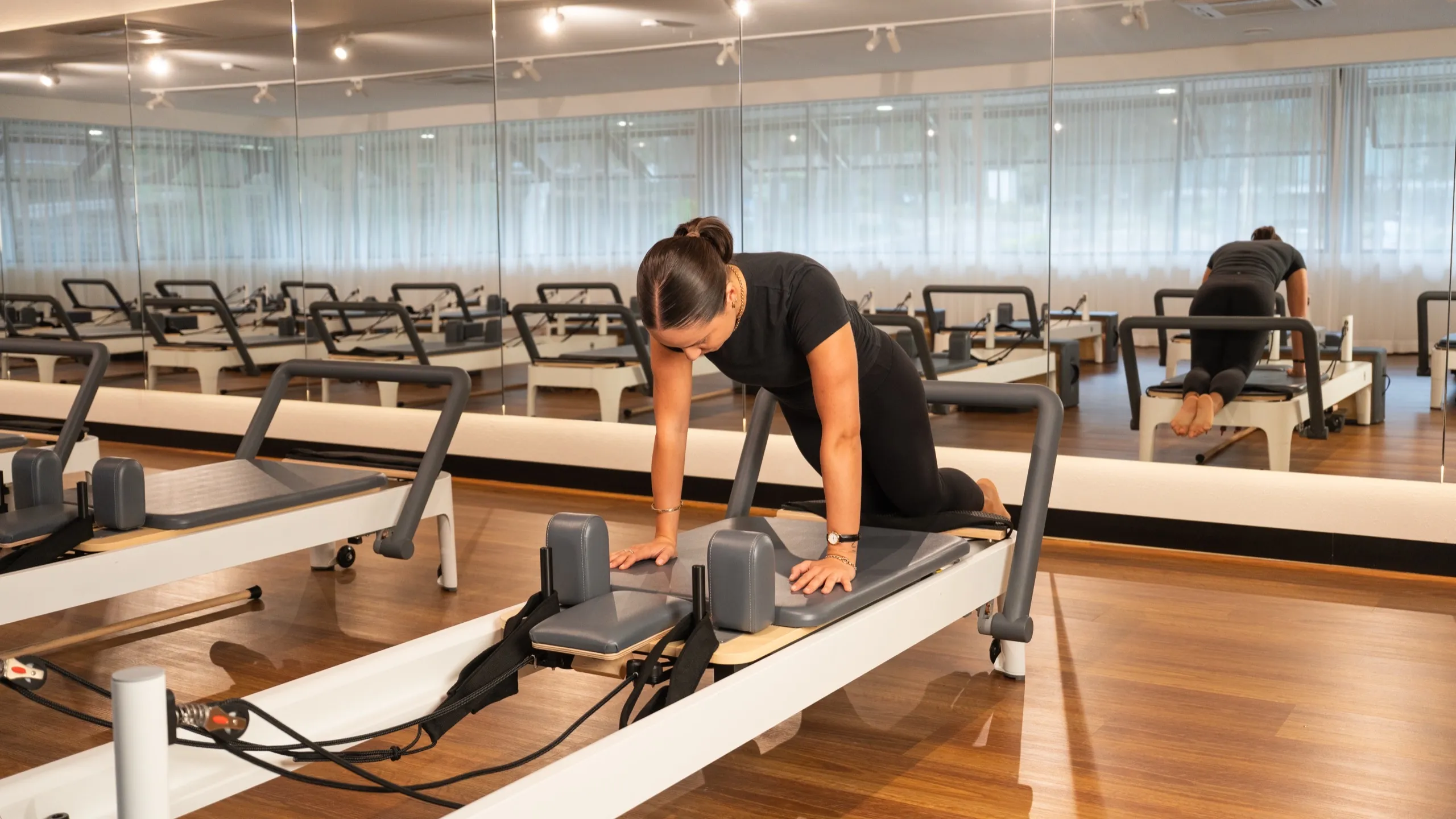
A reformer uses a moving platform, springs, and an adjustable foot bar to create resistance. Mat Pilates uses body weight and may include smaller tools, such as a ball or resistance band. Both belong within Pilates practice, so choose according to your preferences and instruction needs rather than assuming one format is automatically superior. (healthdirect.gov.au)
If equipment-based exercise appeals to you, group reformer Pilates is worth exploring before committing to a plan. Ask whether beginners need an introductory appointment and how equipment orientation works. Reformer manufacturer Balanced Body specifies that its equipment should be used under the supervision of an instructor trained in safe reformer use. (s3.amazonaws.com)
Read class descriptions carefully. A membership labelled “Pilates” does not tell you whether reformer sessions are included, how credits apply, or which levels you can book. Ask for a clear explanation of any restrictions before assuming the plan covers the workouts you want.
A Pilates community that feels welcoming
The social side deserves a place in your decision, even if making friends is not your primary goal. Think about whether you would enjoy returning to that room on a busy or low-energy day. A Pilates community should feel like somewhere you can learn, not somewhere you need to prove yourself.
Use your first visit to assess the atmosphere. Notice how newcomers are welcomed, whether questions receive patient answers, and whether modifications are presented without judgement. If you prefer a quieter experience, consider whether the studio also leaves space for people who want to arrive, practice, and head home.
You do not need events, challenges, or constant conversation to feel comfortable. Prioritise respectful teaching and an environment that suits your personality. Any social extras should be a welcome addition rather than the main reason to accept an unsuitable contract.
Is a Pilates membership worth the cost?
A Pilates membership is worth considering when its usable classes, instruction, and terms justify the total expense for you. Compare plans using the sessions you realistically expect to attend, not the maximum number advertised. If your availability changes frequently, a flexible class pack may be a better fit than a recurring fitness membership.
Use this simple calculation:
Effective cost per class = total membership cost for the period ÷ classes actually attended.
Include required fees and any charges you reasonably expect to incur. Then compare that figure with available drop-in or class-pack options. Avoid assigning financial value to perks you are unlikely to use.
Before signing, review these details:
- 01Class access: Confirm which formats, levels, locations, and times the plan covers.
- 02Credit rules: Check expiration dates, rollover limits, and how different classes use credits.
- 03Booking availability: Ask how to assess demand for your preferred sessions.
- 04Commitment terms: Read renewal, cancellation, freeze, and notice requirements.
- 05Additional costs: Clarify whether introductory sessions, equipment requirements, or other services cost extra.
If you are considering a membership for gym, Pilates, and yoga, evaluate the whole package. Would you genuinely use each part, and are the specific Pilates classes you want included? Breadth is useful only when it matches your routine.
Choose a studio around your everyday life
Searching “Pilates reformer class near me” or “reformer Pilates near me” is a starting point, not a complete selection process. Compare the options against your actual travel route, availability, budget, and preferred teaching style. A website cannot tell you everything about the experience of attending.
Visit at a time you would normally book. Check the journey, ask about beginner placement, and find out how much time you need before and after class. Consider whether the changing facilities, accessibility, and arrival process fit your needs.
Then try the teaching before making a longer commitment. Afterward, ask yourself whether instructions were clear, whether you felt comfortable asking for help, and whether the class matched its description. A Pilates studio should earn your confidence through that experience, not pressure you into deciding immediately.
Pilates at Housed
Reformer Pilates runs at Housed gym clubs and at our three Pilates studios in Bondi Junction, Chatswood and Five Dock. Every venue runs Beginner classes for newcomers; check your club's timetable for the other levels it runs. Mat Pilates runs at Macquarie Park.
At the gym clubs, the Home and Full House memberships include three reformer Pilates classes a week alongside the gym. Compare the options on the pricing page. If you are deciding between formats, read our guide to reformer and mat Pilates, or start with Pilates for beginners.
Make the membership work for you
Once you join, give your practice a purpose beyond using up credits. Choose a few things to pay attention to, such as understanding class instructions, learning equipment setup, or maintaining your planned attendance. Use those observations to start useful conversations with your instructor.
Keep a brief record of your Pilates workouts and bookings. Note what you enjoyed, where you needed clarification, and which class times were easiest to maintain. Review the pattern before renewing or upgrading, rather than assuming you need more sessions.
The right Pilates membership is not necessarily unlimited, the most expensive, or packed with extras. It is the one that makes suitable instruction and regular attendance practical. Start with a first class, read the terms, and choose a commitment that fits the life you already lead.